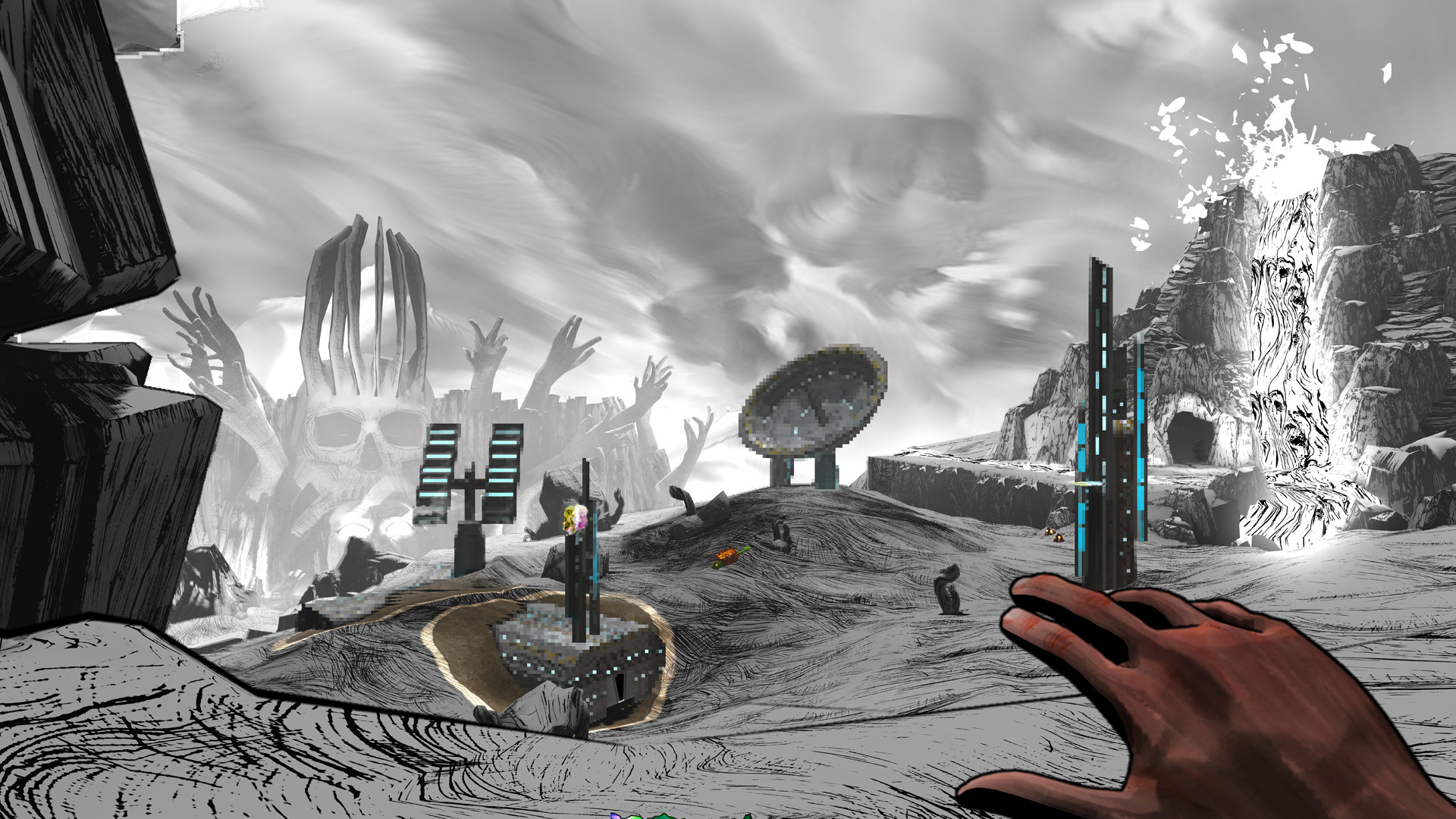
The Magic Circle
LumiScore?Our 0–100 score for how developmentally beneficial and low-risk this game is for children. Higher is better.
Croissance
51/100
Valeur de croissance
- Résolution de problèmes
- Pensée critique
- Créativité
Risque
FAIBLE
Modèles d'engagement
Très peu de pression pour dépenser ou jouer excessivement.
Attention
Conseil de parent expert
Sit with your child and ask them to explain *why* they gave a particular behavior to an enemy — you'll be amazed at the creative systems-thinking they've developed.
Principales compétences développées
Domaines de développement
Représentation?Degré de diversité des personnages du jeu en termes de genre et d'ethnicité. Plus le score est élevé, plus la représentation est authentique. Affiché uniquement — n'affecte pas la recommandation de temps de jeu.
Test de Bechdel?Le test de Bechdel vérifie si un jeu comporte au moins deux personnages féminins nommés qui se parlent d'autre chose qu'un homme. Une mesure simple de la représentation.— N/A — aucun personnage nommé
The game features named female characters (Ashly Burch and Karen Dyer's characters) who do interact, but as disembodied developer 'gods' the test is difficult to apply meaningfully to this non-narrative format.
Conseil de parent expert
Prompting your child to articulate their problem-solving strategy out loud reinforces learning transfer and metacognition, turning in-game experimentation into real-world reasoning skills.
Ce que votre enfant développe
The Magic Circle is a genuinely unusual creative thinking experience. Its core mechanic — capturing enemy behaviors and remixing them to solve environmental puzzles — is a masterclass in open-ended problem-solving and creativity. There is rarely a single 'correct' answer; players must observe systems, hypothesize, experiment, and iterate, exercising real critical thinking and learning transfer throughout. The game is also surprisingly rich in reading and language engagement, with substantial voiced and written dialogue that layers a darkly comic meta-narrative about game development, artistic ambition, and creative compromise. This narrative depth encourages ethical reasoning about authorship, power, and responsibility in ways that are rare in games. The satirical framing rewards players who think critically about the medium they're playing in.
Conformité réglementaire
Touchez un badge pour en savoir plus. Gris = non encore évalué.
À propos de ce jeu
You are the protagonist of an unfinished 1st person fantasy game, trapped in development hell. The designers (played by James Urbaniak, Ashly Burch, and Karen Dyer) are god-like, but so indecisive that they've given you no powers whatsoever.