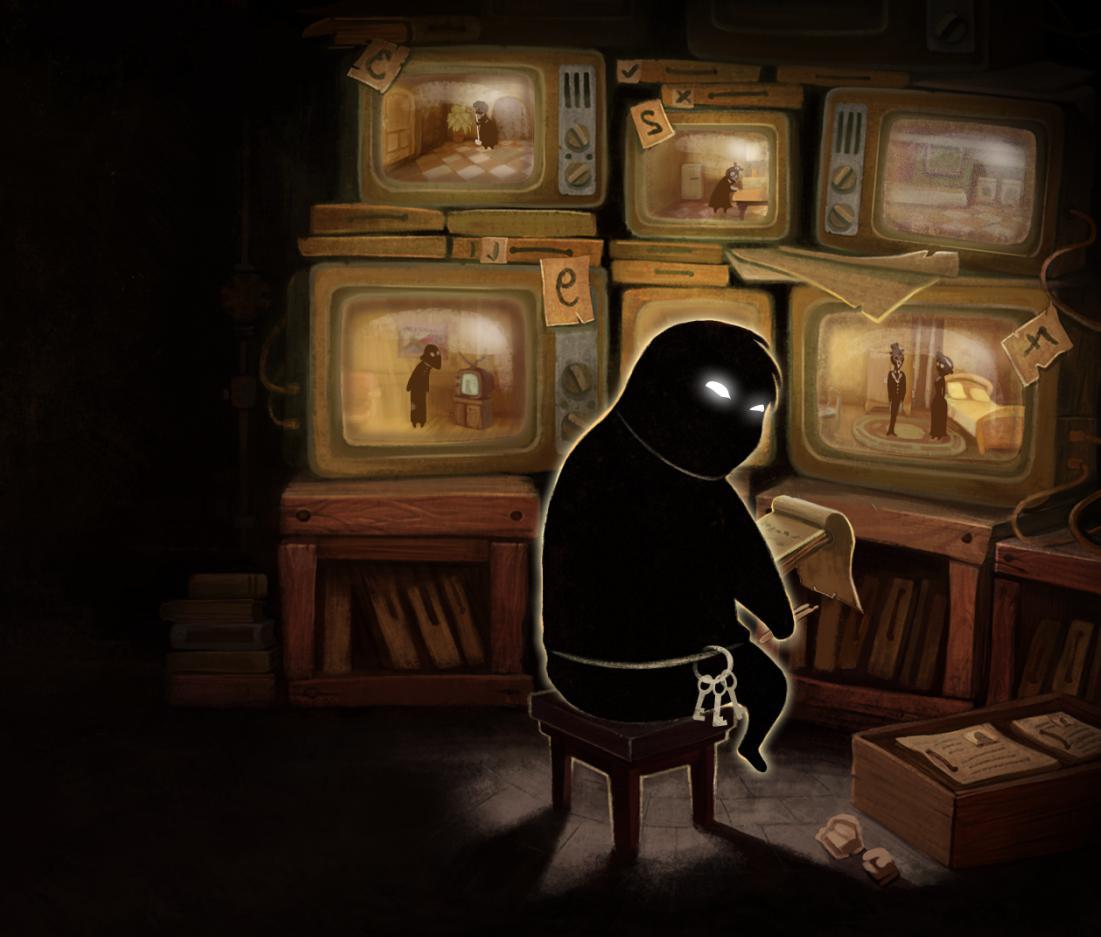
Beholder
LumiScore?Our 0–100 score for how developmentally beneficial and low-risk this game is for children. Higher is better.
Crecimiento
46/100
Valor de Crecimiento
- Pensamiento Crítico
- Razonamiento Ético
- Resolución de Problemas
Riesgo
BAJO
Patrones de Interacción
Presión mínima para gastar o jugar en exceso.
Atención
Consejo experto para padres
Play the first hour alongside your teen and discuss Carl's initial dilemmas together
Principales habilidades desarrolladas
Áreas de desarrollo
Representación?¿Qué tan diversos son los personajes del juego en cuanto a género y etnia? Mayor = representación más auténtica. Solo se muestra — no afecta la recomendación de tiempo.
Test de Bechdel?El test de Bechdel comprueba si un juego tiene al menos dos personajes femeninos con nombre que hablan entre sí sobre algo que no sea un hombre. Una medida sencilla de representación.— N/A — no hay personajes con nombre
Single-player strategy game focused on landlord-tenant surveillance dynamics rather than character relationships
Consejo experto para padres
This collaborative approach helps you gauge your child's readiness for the game's moral complexity while modeling ethical reasoning. Discussing the impossible choices out loud—'Should Carl report the tenant to save his family or protect an innocent person?'—transforms gameplay into a guided ethics lesson. You'll be able to assess whether your teen is engaging thoughtfully or feeling overwhelmed, and establish a dialogue for processing the heavier themes. The game's slow-paced, reading-heavy nature makes it ideal for shared play, and your involvement signals that these moral questions deserve serious consideration rather than quick, thoughtless decisions.
Lo que tu hijo/a desarrolla
Beholder excels as an ethical reasoning simulator, offering exceptional critical thinking development through its morally complex surveillance gameplay. Players must constantly evaluate competing obligations—family welfare, tenant safety, government demands, and personal ethics—making it one of the strongest games for developing ethical reasoning (5/5) and critical thinking (5/5). The strategic planning required to manage time, resources, and information gathering builds strong strategic thinking (4/5) and problem-solving (4/5) skills. The game's heavy reading requirements and nuanced dialogue develop reading comprehension (4/5), while the multiple-ending structure and consequence system create strong learning transfer (4/5) as players reflect on cause-and-effect relationships. Empathy development (4/5) emerges naturally from understanding tenants' personal struggles and circumstances, while emotional regulation (3/5) is practiced through managing the stress of impossible moral choices. This is a rare example of a game that treats players as mature thinkers capable of wrestling with genuine ethical complexity.
Cumplimiento normativo
Toca una insignia para ver detalles. Gris = aún no evaluado.
Sobre este juego
If someone has to live in the totalitarian society, that person has to work not to become a victim of it. Carl, a state-appointed landlord, has to spy on the tenants and to receive orders from the government.