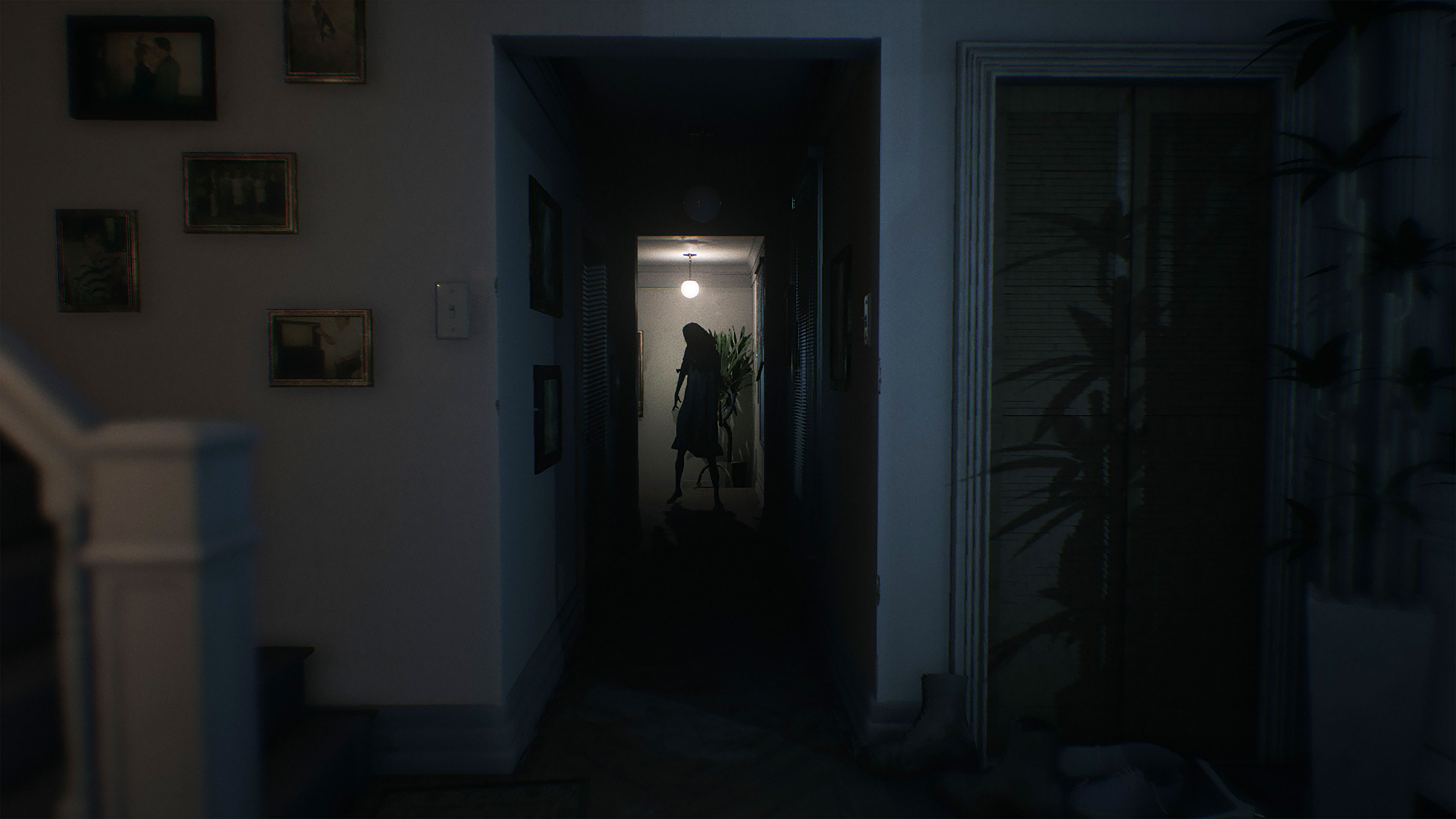
Visage
LumiScore?Our 0–100 score for how developmentally beneficial and low-risk this game is for children. Higher is better.
Growth
32/100
Growth Value
- Spatial Awareness
- Memory & Attention
- Problem Solving
Risk
LOW
Engagement Patterns
Minimal pressure to spend or play excessively.
Heads up
Parent Pro-Tip
Set a firm age floor of 17+ and preview gameplay footage yourself before allowing play. Because the game penalizes breaks and builds sustained psychological tension, agree on a fixed session length in advance — ideally no more than 60 minutes — and ensure it is played in a well-lit room. Check in afterward to invite conversation about anything the player found distressing.
Top Skills Developed
Development Areas
Representation?How diverse the game's characters are in gender and ethnicity. Higher = more authentic representation. Display only — does not affect time recommendation.
Bechdel Test?The Bechdel Test checks whether a game has at least two named female characters who talk to each other about something other than a man. A simple measure of representation.— N/A — no named characters
The game is a largely silent, first-person solo experience with no meaningful dialogue between named characters.
Parent Pro-Tip
If your teen is mature enough, play alongside them occasionally and use the game's fragmented storytelling as a springboard for real conversations about grief, the consequences of violence, and how we make sense of traumatic histories. The puzzle and exploration elements are genuinely intellectually rich, and sharing the experience can transform a frightening game into a bonding and reflective one.
What your child develops
Visage offers meaningful cognitive engagement for mature players through its demanding environmental storytelling and puzzle design. Navigating the ever-shifting house develops strong spatial awareness and memory skills, as players must mentally map complex, changing layouts and recall environmental details to progress. The game rewards close observation and critical thinking — subtle visual clues, symbolic imagery, and fragmented narrative details must be pieced together to understand each family's story. Reading and interpreting in-world text and environmental cues adds a modest literacy dimension. For older teens and adults, the game can model emotional resilience and the psychological cost of sustained fear, serving as an unconventional lens for discussing mental health themes like grief, trauma, and guilt.
Regulatory Compliance
Tap a badge for details. Grey = not yet assessed.
About this game
WARNING: This video game may potentially trigger seizures for people with photosensitive epilepsy. Player discretion is advised.