Teamfight Tactics
LumiScore
Growth
45/100
Growth Value
- Problem Solving
- Strategic Thinking
- Critical Thinking
Risk
LOW
Engagement Patterns
Minimal pressure to spend or play excessively.
Heads up
Parent Pro-Tip
Encourage breaks between matches and discuss the strategic choices made. Set time limits for play sessions to ensure a balanced gaming experience. Since there are no microtransactions, there is no need for spending limits.
Top Skills Developed
Development Areas
Representation?How diverse the game's characters are in gender and ethnicity. Higher = more authentic representation. Display only — does not affect time recommendation.
Bechdel Test?The Bechdel Test checks whether a game has at least two named female characters who talk to each other about something other than a man. A simple measure of representation.— N/A — no named characters
The game features no named characters as it is an abstract strategy game.
Parent Pro-Tip
Engage with your child about their strategies and team compositions. Ask them to explain why they made certain choices and what they learned from each match to reinforce critical thinking and learning transfer. This can also be a good opportunity to discuss adaptation and planning.
What your child develops
Teamfight Tactics develops strong strategic thinking, problem-solving, and critical analysis skills. Players must adapt to changing game conditions, manage resources, and plan several steps ahead to succeed. It also fosters learning transfer as players apply knowledge from previous matches to new situations.
Regulatory Compliance
Tap a badge for details. Grey = not yet assessed.
About this game
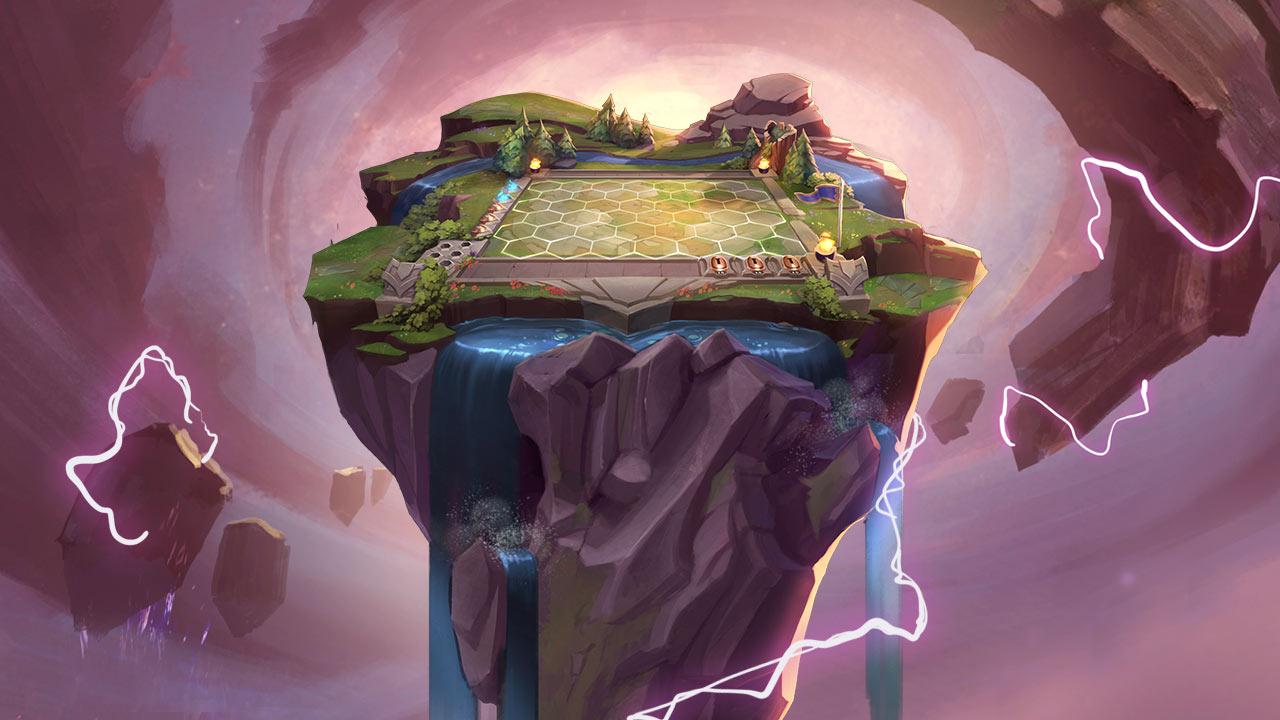
TFT is a strategy game whose action is divided into rounds. You challenge seven rivals and assemble a strong team that will fight for you.