Spelunky
LumiScore
Growth
45/100
Growth Value
- Problem Solving
- Hand-Eye Coordination
- Reaction Time
Risk
LOW
Engagement Patterns
Minimal pressure to spend or play excessively.
Heads up
Parent Pro-Tip
Spelunky's runs are short and self-contained, so agree on a run count rather than a time limit — 'three more runs then we stop' works naturally with the game's structure. If your child gets frustrated by repeated deaths, use it as a conversation about persistence and learning from failure rather than intervening to make the game easier.
Top Skills Developed
Development Areas
Representation?How diverse the game's characters are in gender and ethnicity. Higher = more authentic representation. Display only — does not affect time recommendation.
Bechdel Test?The Bechdel Test checks whether a game has at least two named female characters who talk to each other about something other than a man. A simple measure of representation.— N/A — no named characters
Spelunky is a gameplay-focused platformer with no named characters that drive a narrative, beyond the generic 'spelunker' player character and generic NPCs.
What your child develops
Spelunky is an exceptional trainer of problem solving, reaction time, and hand-eye coordination — every level is procedurally generated, forcing the player to read new environments, weigh risks, and adapt on the fly. The roguelike structure builds genuine emotional regulation and persistence, as children must cope with repeated failure, learn from mistakes, and develop patience without any monetization pressure rewarding or punishing that process. Resource management (bombs, ropes, health) introduces meaningful strategic trade-offs that compound in sophistication as players improve.
Regulatory Compliance
Tap a badge for details. Grey = not yet assessed.
About this game
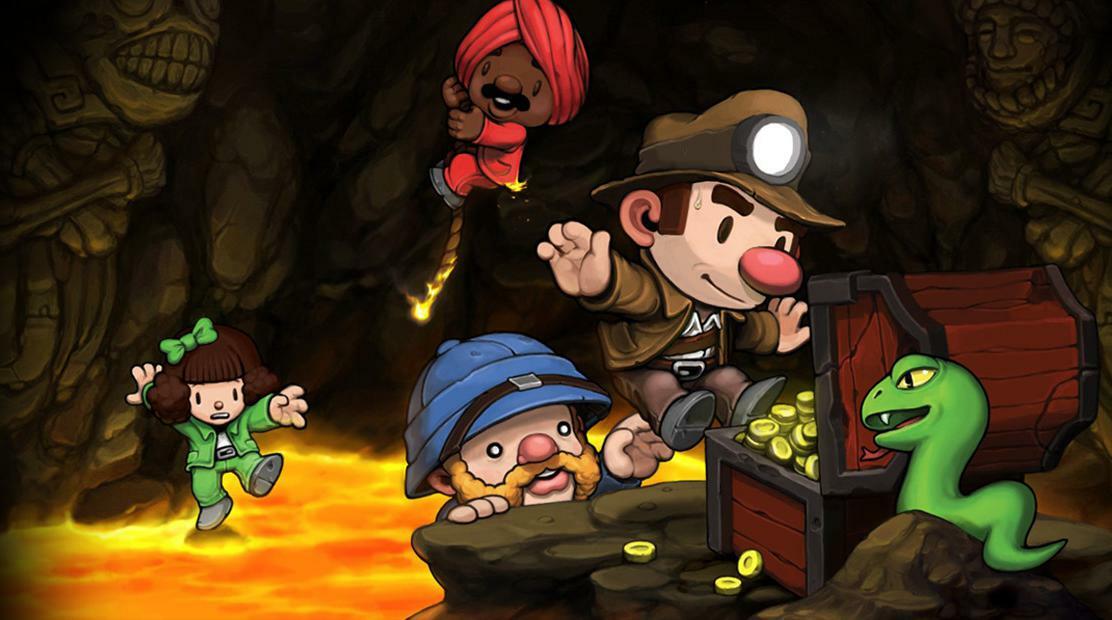
You play as an adventurer known as a spelunker. The primary task is to explore the caves, collecting as many treasures as possible, avoid the traps of enemies.