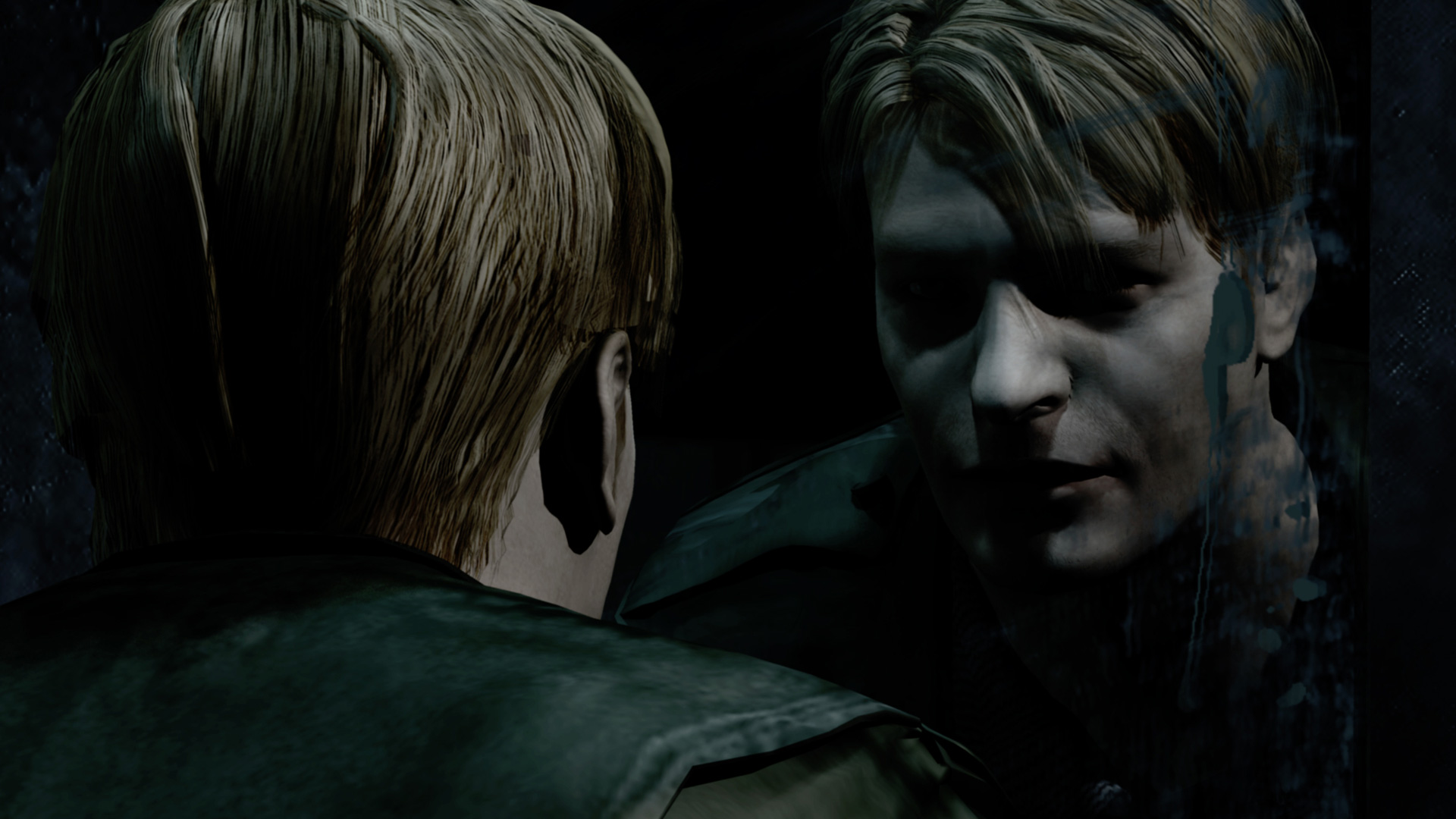
Silent Hill 2 (2001)
LumiScore
Growth
45/100
Growth Value
- Empathy
- Problem Solving
- Spatial Awareness
Risk
LOW
Engagement Patterns
Minimal pressure to spend or play excessively.
Heads up
Parent Pro-Tip
This game is not for children — reserve it for players 17 and older who can engage with heavy themes of grief and psychological trauma thoughtfully. Consider playing alongside an older teen and using it as an opportunity to discuss mental health, loss, and how art can explore difficult human experiences.
Top Skills Developed
Development Areas
Representation?How diverse the game's characters are in gender and ethnicity. Higher = more authentic representation. Display only — does not affect time recommendation.
Bechdel Test?The Bechdel Test checks whether a game has at least two named female characters who talk to each other about something other than a man. A simple measure of representation.— Fails the test
While the game features named female characters like Maria, Angela Orosco, Laura, and Mary Sunderland, none of them directly interact with each other.
What your child develops
Silent Hill 2 is one of gaming's most psychologically sophisticated narratives, built around grief, guilt, trauma, and repression — themes that reward mature players with genuine empathy development and perspective-taking. Its environmental puzzles require sustained critical thinking and spatial reasoning, and its layered storytelling demands careful reading of the world for clues and meaning. The game's moral ambiguity and multiple endings encourage ethical reflection on responsibility, self-deception, and the cost of denial.
Regulatory Compliance
Tap a badge for details. Grey = not yet assessed.
About this game
In the sequel to Silent Hill, Silent Hill 2 follows James Sunderland, whose life is shattered when his young wife Mary suffers a tragic death. Three years later, a mysterious letter arrives from Mary, beckoning him to return to their sanctuary of memories, the dark realm of Silent Hill.