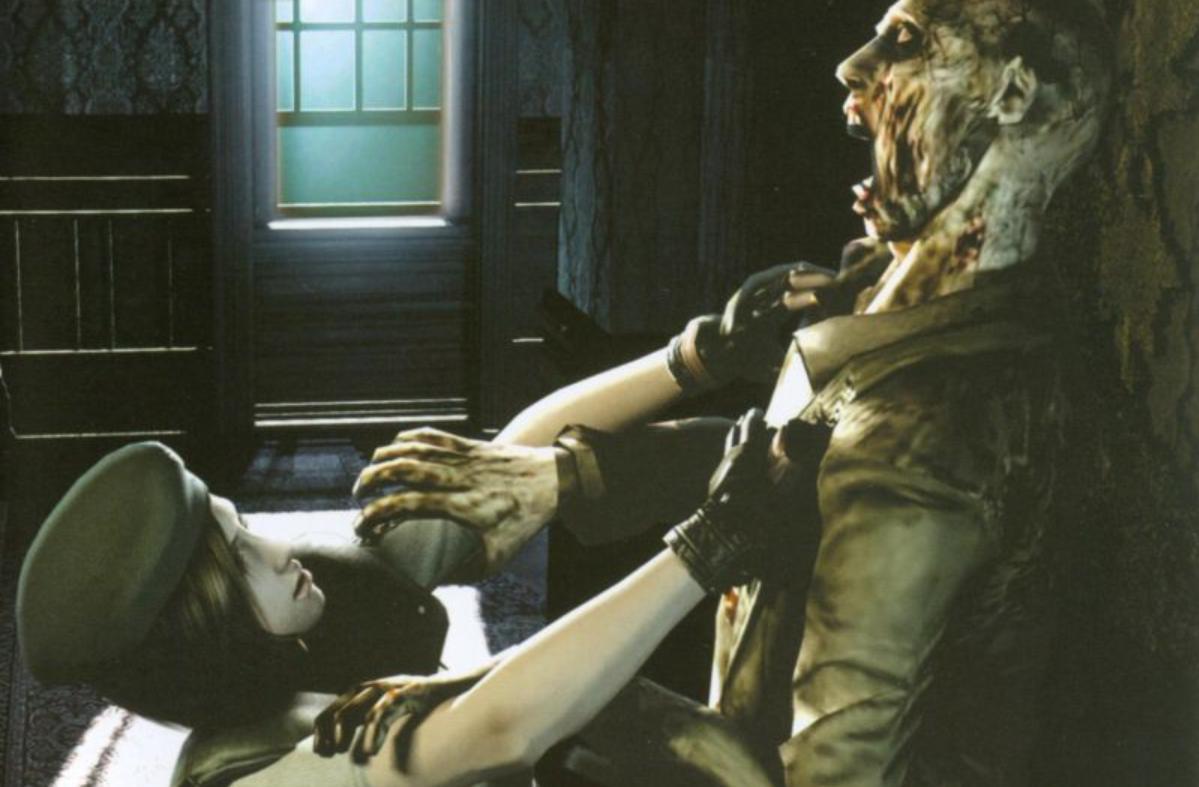
Resident Evil (2002)
LumiScore
Growth
43/100
Growth Value
- Problem Solving
- Spatial Awareness
- Strategic Thinking
Risk
LOW
Engagement Patterns
Minimal pressure to spend or play excessively.
Heads up
Parent Pro-Tip
Establish a 'horror game agreement' before allowing play: discuss that scary content is fiction, set a firm time limit of 60 minutes per session to prevent extended exposure to frightening content, and make sure play happens during daylight hours rather than before bed. Check in after sessions about emotional reactions.
Top Skills Developed
Development Areas
Representation?How diverse the game's characters are in gender and ethnicity. Higher = more authentic representation. Display only — does not affect time recommendation.
Bechdel Test?The Bechdel Test checks whether a game has at least two named female characters who talk to each other about something other than a man. A simple measure of representation.— Fails the test
While Jill Valentine is a playable protagonist, there are insufficient interactions between named female characters about non-male topics.
Parent Pro-Tip
Turn puzzle-solving into a family activity by having your child explain their problem-solving process aloud—'Why did you combine those items?' or 'How did you figure out that door code?' This metacognitive reflection deepens strategic thinking and helps them transfer planning skills to real-world scenarios like organizing school projects.
What your child develops
Resident Evil (2002) offers strong cognitive benefits through its survival horror design. Players must solve intricate environmental puzzles involving item combinations, resource management, and spatial navigation through the mansion's complex layout. The game demands strategic thinking as players balance limited ammunition, healing items, and inventory space while deciding when to fight or flee. Memory and attention skills are heavily tested through backtracking, remembering locked door locations, and noting environmental clues. The game's difficulty curve and limited saves create genuine adaptive challenge, requiring players to learn enemy patterns and optimize routes. Critical thinking emerges from analyzing which threats are worth engaging versus avoiding, making the cognitive engagement deeper than typical action games.
Regulatory Compliance
Tap a badge for details. Grey = not yet assessed.
About this game
Resident Evil is a survival horror video game developed by Capcom Production Studio 4 and published by Capcom. Released for the GameCube video game console in 2002, it is a remake of the 1996 PlayStation game Resident Evil, the first installment in the Resident Evil video game series.