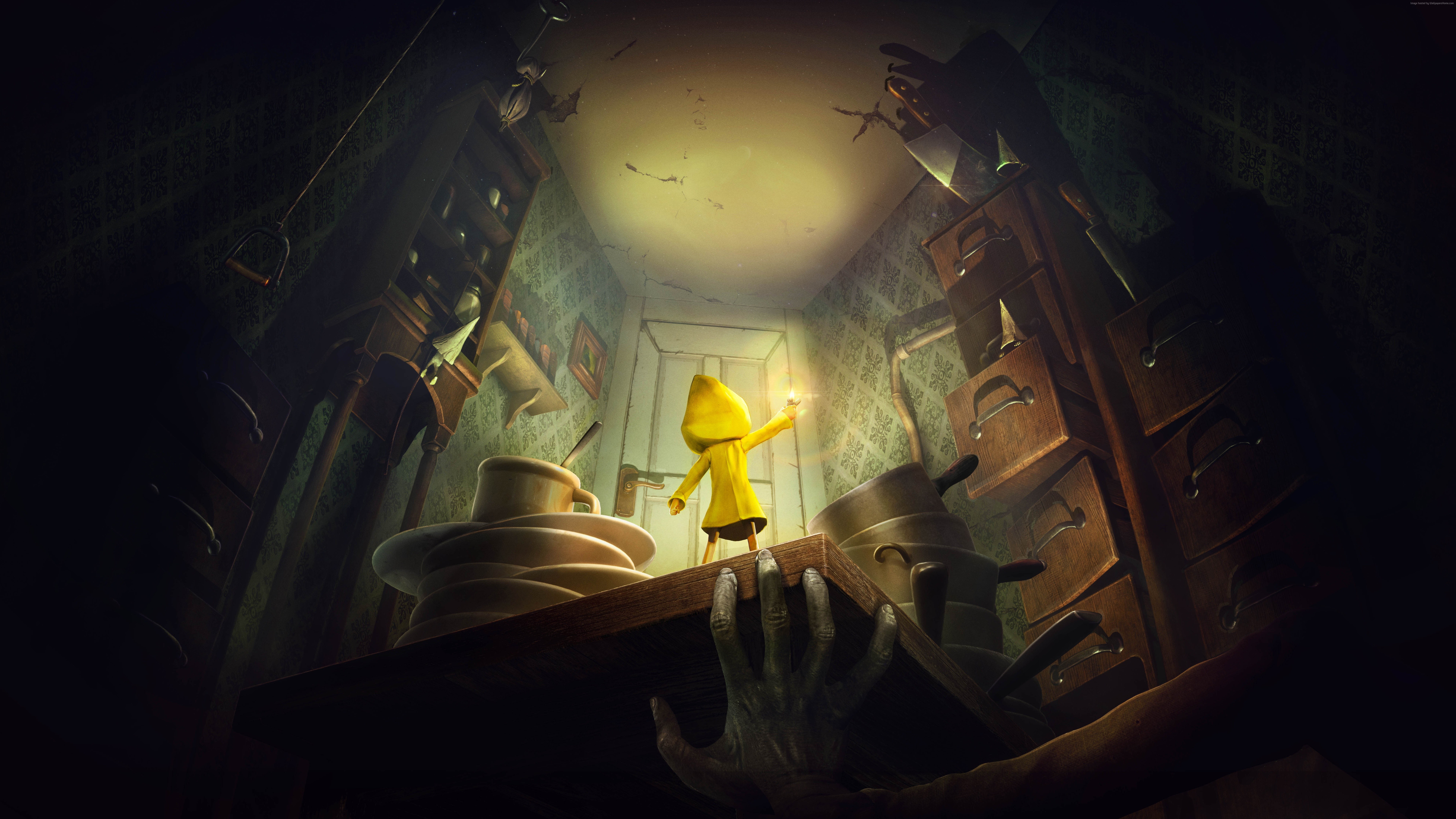
Little Nightmares
LumiScore
Growth
45/100
Growth Value
- Problem Solving
- Spatial Awareness
- Critical Thinking
Risk
LOW
Engagement Patterns
Minimal pressure to spend or play excessively.
Heads up
Parent Pro-Tip
Co-play during first sessions to gauge your child's comfort with horror content
Top Skills Developed
Development Areas
Representation?How diverse the game's characters are in gender and ethnicity. Higher = more authentic representation. Display only — does not affect time recommendation.
Bechdel Test?The Bechdel Test checks whether a game has at least two named female characters who talk to each other about something other than a man. A simple measure of representation.— N/A — no named characters
Game features minimal dialogue and no character-to-character conversations; primarily environmental storytelling.
Parent Pro-Tip
Watch the opening chapter together to assess whether the dark atmosphere and frightening enemies (like the Janitor with long arms) cause excessive fear. If your child handles it well, Little Nightmares offers excellent problem-solving practice. Discuss puzzle solutions together to build critical thinking, and encourage them to observe enemy patterns before rushing forward. The collectible statues reward exploration and attention to detail. Use the chapter structure as natural break points to prevent overexposure to the tense atmosphere.
What your child develops
Little Nightmares excels as a puzzle-platformer that demands careful spatial reasoning and problem-solving. Players must analyze environments, plan routes, and execute precise movements to overcome physics-based puzzles and stealth challenges. The game's defenseless protagonist design forces strategic thinking—players must observe enemy patterns, time movements carefully, and use environmental objects creatively. Strong hand-eye coordination and fine motor control are essential for navigating precarious ledges, timing jumps, and executing quick movements during chase sequences. The atmospheric horror elements and themes of survival can foster empathy and emotional engagement, though the frightening content requires emotional regulation skills. The game rewards patient observation, trial-and-error learning, and adaptive thinking as puzzles become progressively more complex.
Regulatory Compliance
Tap a badge for details. Grey = not yet assessed.
About this game
Heavily inspired by Limbo and Inside, Little Nightmares are telling a story of another lost child. Six is a starving little girl in a yellow raincoat, which is trapped in a mysterious vessel named the Maw.