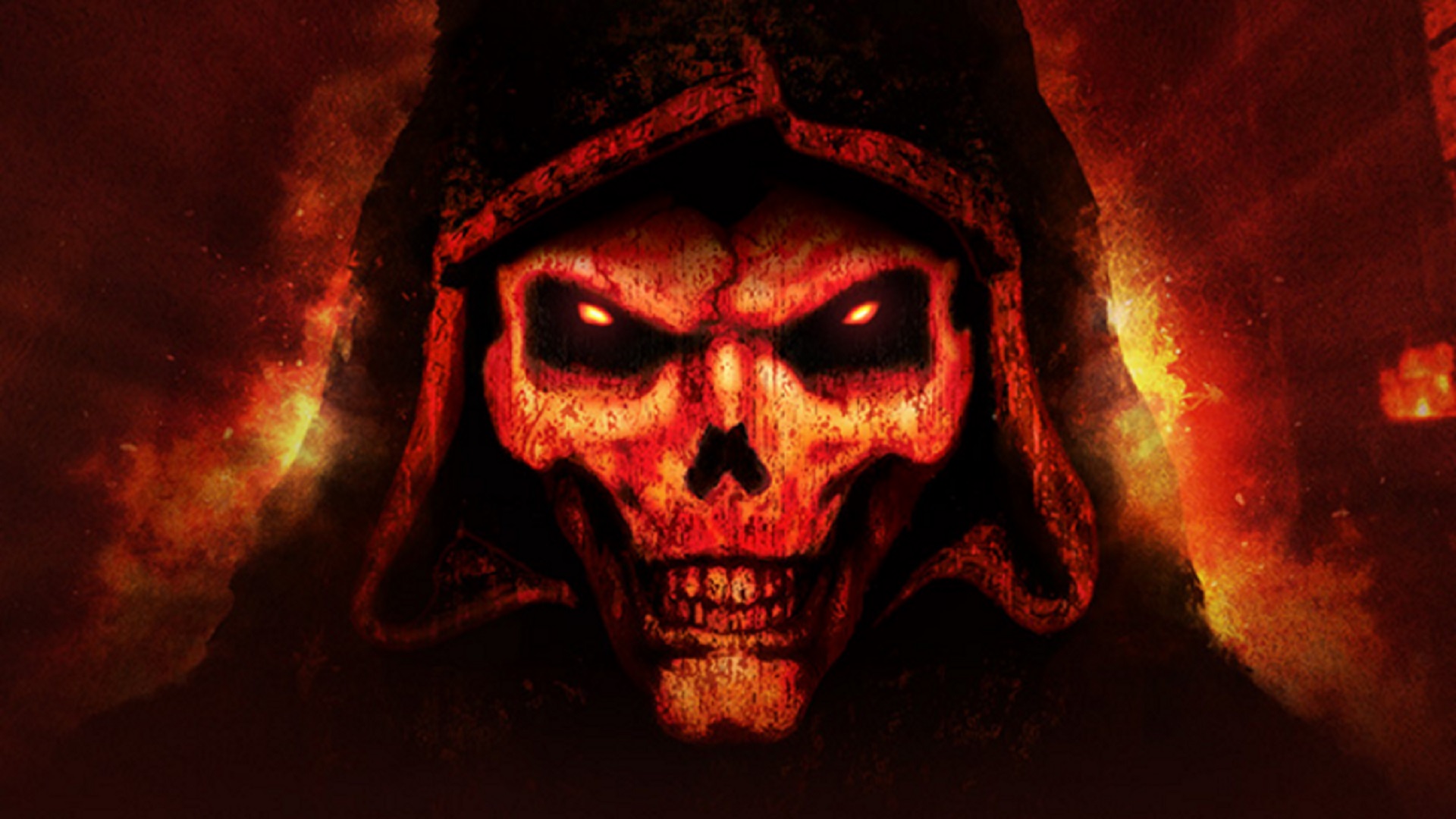
Diablo II
LumiScore
Growth
56/100
Growth Value
- Strategic Thinking
- Reading & Language
- Math & Systems
Risk
LOW
Engagement Patterns
Minimal pressure to spend or play excessively.
Heads up
Parent Pro-Tip
Parents should monitor gameplay for content suitability and encourage breaks to prevent over-engagement with the addictive loot mechanics. Discussing the game's themes and the importance of balanced play can help mitigate potential risks.
Top Skills Developed
Development Areas
Representation?How diverse the game's characters are in gender and ethnicity. Higher = more authentic representation. Display only — does not affect time recommendation.
Bechdel Test?The Bechdel Test checks whether a game has at least two named female characters who talk to each other about something other than a man. A simple measure of representation.— Fails the test
While Diablo II features multiple named female characters such as Akara, Kashya, Fara, Asheara, Jamella, Malah, and Anya, none of them are observed to have a direct conversation or interaction with each other within the game's narrative or scenes; their interactions are almost exclusively with the player character.
What your child develops
Diablo II challenges players with strategic decision-making in character development and tactical combat, fostering critical thinking and problem-solving skills as they overcome increasingly difficult demonic foes. The extensive lore and item descriptions enhance reading comprehension, while the complex mathematical systems underlying character stats encourage analytical thinking.
Regulatory Compliance
Tap a badge for details. Grey = not yet assessed.
About this game
Diablo II is an action role-playing hack and slash video game developed by Blizzard North and published by Blizzard Entertainment in 2000 for Microsoft Windows, Classic Mac OS, and Mac OS X. The game, with its dark fantasy and horror themes, was conceptualized and designed by David Brevik and Erich Schaefer, who with Max Schaefer acted as project leads on the game.