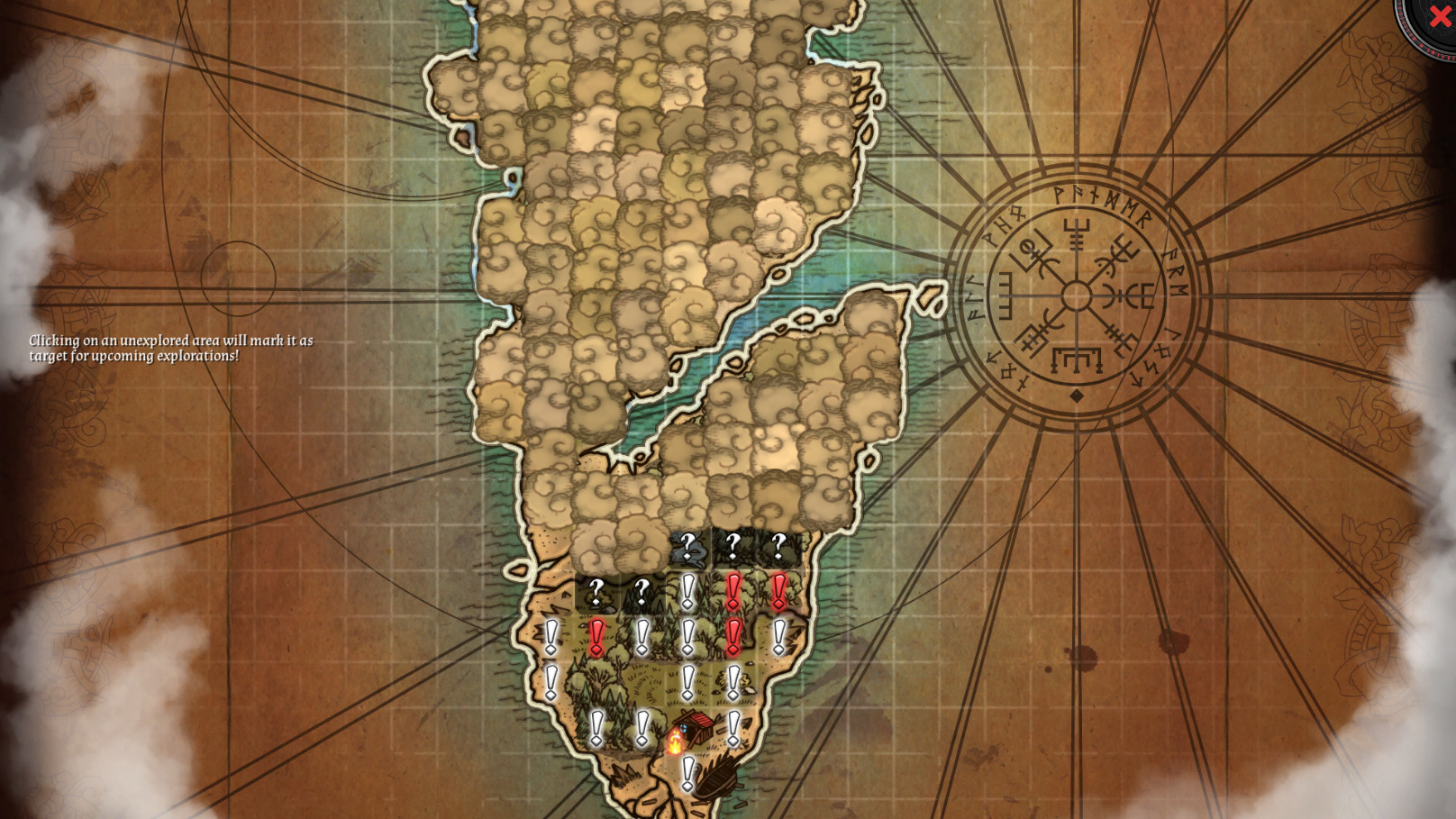
Dead In Vinland
LumiScore
Growth
48/100
Growth Value
- Problem Solving
- Strategic Thinking
- Adaptive Challenge
Risk
LOW
Engagement Patterns
Minimal pressure to spend or play excessively.
Heads up
Parent Pro-Tip
Set clear session boundaries using the game's turn-based structure—suggest stopping after completing a full in-game day cycle or major story event. The game's challenging difficulty means younger players may benefit from co-playing where you discuss strategic decisions together, turning resource management into a shared problem-solving exercise. Use character deaths or setbacks as teaching moments about adaptive thinking rather than failure.
Top Skills Developed
Development Areas
Representation?How diverse the game's characters are in gender and ethnicity. Higher = more authentic representation. Display only — does not affect time recommendation.
Bechdel Test?The Bechdel Test checks whether a game has at least two named female characters who talk to each other about something other than a man. A simple measure of representation.— Passes the test
The game features Eirik's family including female characters who interact about survival, relationships, and island mysteries beyond male characters.
Parent Pro-Tip
The relationship management system provides excellent conversation starters about empathy, conflict resolution, and ethical decision-making—ask your child why they chose to handle character conflicts in certain ways and what they think about the consequences. The resource scarcity mechanics naturally develop mathematical thinking and prioritization skills, so encourage your child to explain their reasoning for allocating food, assigning tasks, or choosing which camp upgrades to build first.
What your child develops
Dead In Vinland is an exceptionally strong cognitive workout that demands high-level problem-solving and strategic thinking as core mechanics. Players must constantly balance multiple survival variables—food, water, health (physical and mental), shelter upgrades, and interpersonal relationships—in a challenging turn-based system where randomization ensures no perfect strategy exists. The game excels at developing adaptive challenge skills, requiring players to assess changing conditions and make difficult trade-offs with limited resources. Reading comprehension is well-developed through substantial narrative content and character dialogue. Mathematical thinking emerges naturally from managing ratios, probabilities, and resource allocation. The relationship management system thoughtfully develops empathy and ethical reasoning as players navigate complex interpersonal dynamics including romances, conflicts, and betrayals. Critical thinking is constantly engaged as players must weigh short-term survival needs against long-term goals while exploring a non-linear world with meaningful consequences.
Regulatory Compliance
Tap a badge for details. Grey = not yet assessed.
About this game
DEAD IN VINLAND is a survival/management indie game with RPG and adventure elements, and is the sequel of DEAD IN BERMUDA. Exiled on a faraway, unknown land, lead Eirik and his family on their quest to survive.