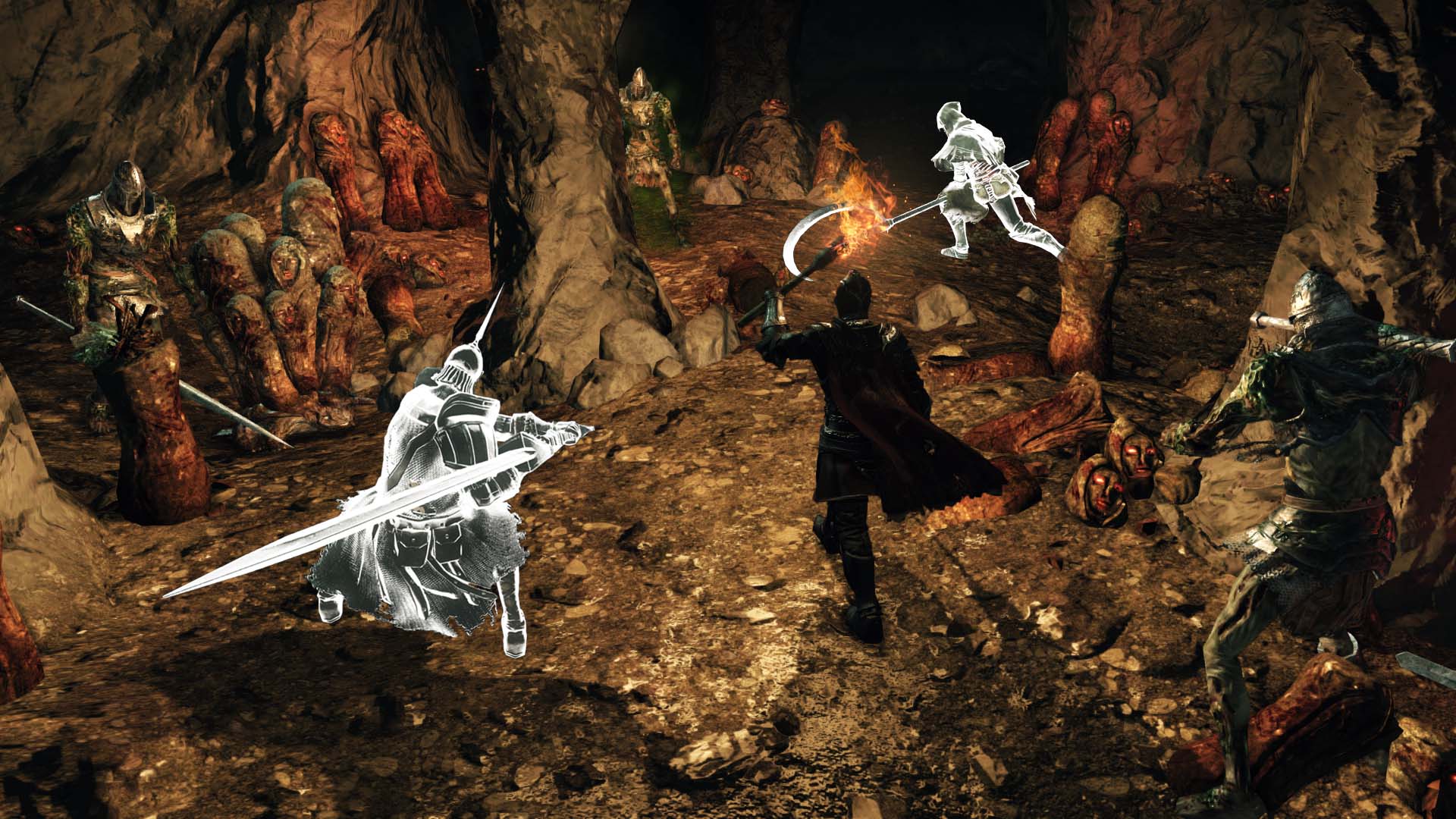
Dark Souls II: Crown of the Sunken King
LumiScore
Growth
63/100
Growth Value
- Problem Solving
- Spatial Awareness
- Strategic Thinking
Risk
LOW
Engagement Patterns
Minimal pressure to spend or play excessively.
Heads up
Parent Pro-Tip
Set clear time boundaries before starting a play session, as the game's checkpoint system can encourage 'just one more try' thinking. Watch the first few sessions with your child to gauge their frustration tolerance—Dark Souls games are intentionally difficult and require patience and emotional regulation. Help them understand that death and failure are core learning mechanics, not indicators of inability. Consider this game for teens (13+) who have demonstrated resilience with challenging games.
Top Skills Developed
Development Areas
Representation?How diverse the game's characters are in gender and ethnicity. Higher = more authentic representation. Display only — does not affect time recommendation.
Bechdel Test?The Bechdel Test checks whether a game has at least two named female characters who talk to each other about something other than a man. A simple measure of representation.— Fails the test
The game features minimal dialogue and narrative interaction, with few named female characters engaging in substantive conversation.
Parent Pro-Tip
Emphasize the problem-solving journey: ask your child to explain their strategy for difficult encounters or environmental puzzles. This reinforces critical thinking and helps them articulate their learning process. Encourage them to sketch maps or take notes about level layouts, which enhances spatial reasoning and memory. Celebrate persistent effort and strategic improvement rather than just victory, helping them internalize growth mindset principles that transfer to academic and real-world challenges.
What your child develops
Dark Souls II: Crown of the Sunken King offers exceptional cognitive development through its complex combat and environmental puzzle systems. The DLC excels at problem-solving, requiring players to navigate intricate multi-layered environments with vertical puzzles, hidden paths, and interconnected mechanisms. Strategic thinking and spatial awareness are core to success, as players must learn enemy patterns, manage stamina and resources, and understand how different areas connect. The adaptive challenge system ensures players face appropriately difficult obstacles that scale with their skill level. Memory and attention are heavily taxed as players must remember enemy placements, trap locations, and safe routes. The game teaches valuable lessons about perseverance, learning from failure, and methodical approach to challenges. Motor skills are strongly developed through precise timing requirements for dodging, blocking, and attacking. The lack of hand-holding encourages genuine critical thinking and experimentation.
Regulatory Compliance
Tap a badge for details. Grey = not yet assessed.