Anodyne
LumiScore
Growth
39/100
Growth Value
- Problem Solving
- Spatial Awareness
- Strategic Thinking
Risk
LOW
Engagement Patterns
Minimal pressure to spend or play excessively.
Heads up
Parent Pro-Tip
Set a 60-minute session timer and check in about the game's meaning
Top Skills Developed
Development Areas
Representation?How diverse the game's characters are in gender and ethnicity. Higher = more authentic representation. Display only — does not affect time recommendation.
Bechdel Test?The Bechdel Test checks whether a game has at least two named female characters who talk to each other about something other than a man. A simple measure of representation.— N/A — no named characters
Single-player adventure exploring a character's subconscious; insufficient character interaction to evaluate.
Parent Pro-Tip
Anodyne's surreal narrative and psychological themes make it perfect for discussion. Ask your child what they think different areas represent or what the symbolism means—there's no single 'right' answer, which encourages critical interpretation and emotional literacy. The game's contemplative pace and puzzle-solving work best in focused sessions rather than quick drops-in.
What your child develops
Anodyne offers solid cognitive development through Zelda-style dungeon puzzles that require spatial reasoning, problem-solving, and strategic thinking. Players must navigate interconnected rooms, solve environmental puzzles, and learn enemy patterns. The surreal, dream-like setting encourages interpretive thinking and exploration. The game demands memory and attention to track progress through complex areas. As an indie title with artistic ambitions, it presents a more contemplative pace than mainstream action games, though it still requires moderate hand-eye coordination and reaction time for combat encounters.
Regulatory Compliance
Tap a badge for details. Grey = not yet assessed.
About this game
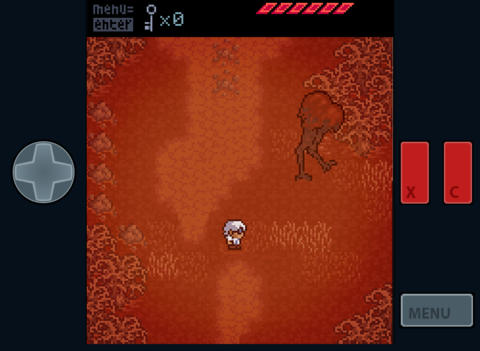
In this unique Zelda-lite game, explore and fight your way through surreal and creepy, nature, urban and abstract themed areas in the human Young's subconscious, evoked by a 16-bit-era visual style and a moody, dream-like soundtrack. Created by Sean Han Tani and Joni Kittaka.